.png)
Running a fleet isn’t just about keeping vehicles on the road—it’s about managing the unpredictable costs and administrative burden that come with them.
Unexpected maintenance costs can blow through budgets. Paperwork drains staff time. Capital tied up in vehicles limits growth. And replacing aging assets often creates more problems than solutions.
These day-to-day realities significantly impact both efficiency and profitability. Yet when calculating the true cost of fleet ownership, most companies focus only on the obvious expenses—purchase price, fuel, and major repairs. The hidden costs often tell a different story.
Understanding your true fleet costs is the first step toward optimization. Whether you're managing 5 vehicles or 500, the way you acquire and manage those assets has far-reaching implications for your bottom line. Here are seven ways leasing can reduce your total cost of ownership (TCO) while making fleet management simpler.
1. Maximize Value with Open-End Leasing
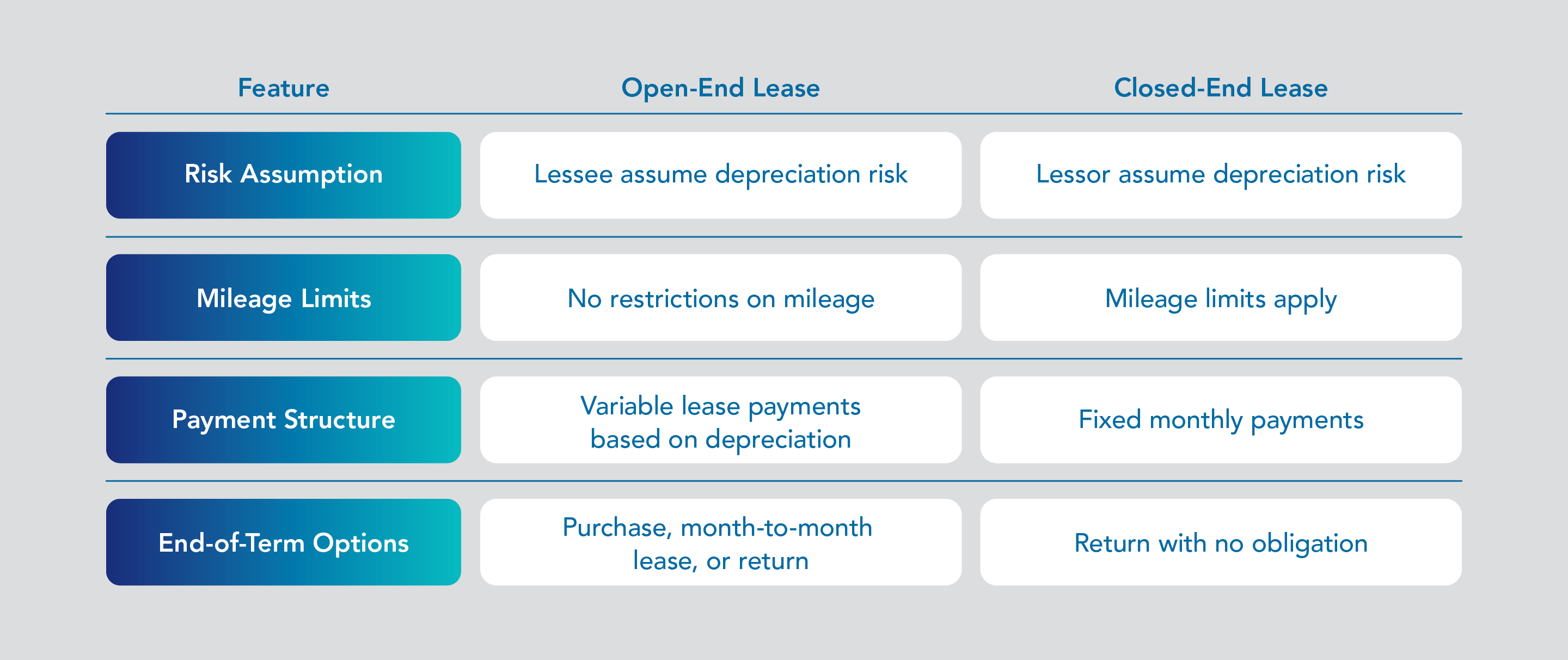
Traditional closed-end leasing has earned a bad reputation. Rigid contracts, surprise penalties, and hidden fees have frustrated many fleet managers. But there’s a better way. Open-end leasing is designed for flexibility, transparency, and control.
You get clear residual values with no end-of-term surprises- and even profit when vehicles sell above their predetermined value. There are no kilometre restrictions or wear-and-tear penalties, so your crew can drive wherever the job takes them without worrying about the odometer.
Need to scale down during slower periods? No problem. Open-end leases let you adjust your fleet without costly penalties. And instead of guessing when to replace vehicles, you'll have data-driven insights to make smart decisions.

2. Smarter Cost Control with Fleet Cards
Leasing can reduce large upfront capital costs and some of the long-term variability in running a fleet. For fleets that want more control over operating expenses, a fleet maintenance card like our fleet card is available as an optional, pay-as-you-go tool that can be used alongside a lease.
Rather than prepaying for a fixed level of maintenance within the lease, the card allows you to pay only for services actually performed, choose from a wide range of approved vendors, and apply spending limits and approval rules for higher-cost work. All fuel and maintenance transactions appear as line items on a single consolidated invoice, providing transparency, flexibility as usage patterns change, and avoiding any risk of stranded prepaid value if a vehicle leaves service earlier than expected.
3. Hidden Ownership Costs You're Probably Forgetting
Most businesses focus on obvious costs: purchase price, fuel, and major repairs. But it’s the hidden costs that can drain profits the fastest. Think about the time your team spends managing vehicles. If a $75,000-per-year manager spends 10 hours weekly on fleet tasks, that's nearly $40,000 annually in hidden labour costs.
Then there's insurance shopping, claims management, registration tracking, and compliance paperwork across multiple jurisdictions. When it's time to sell, you're either accepting lowball trade-ins or spending weeks advertising, showing vehicles, and negotiating.
Every hour spent coordinating oil changes is an hour not spent on customers, strategic initiatives, or business development. These costs rarely appear on balance sheets, but they have a very real impact on your bottom line.
4. Tax Benefits That Make Your Accountant Smile
How you finance vehicles has major tax implications.
When you buy vehicles, you depreciate them slowly over the years under CRA rules. With leasing, your monthly payments are operating expenses—fully tax-deductible in the year they're incurred. For example, 20 vehicles at $800 monthly, that's $192,000 in immediate annual deductions versus waiting years for full depreciation to catch up.
Leased vehicles also stay off your balance sheet, which means:
- Better debt-to-asset ratios that banks evaluate
- Increased lending capacity for growth initiatives
- Stronger return on assets
Bottom Line: Leasing provides immediate tax deductions, preserves working capital, improves financial statements, and simplifies accounting—all factors that reduce your Total Cost of Ownership. Consult with your accountant to understand how fleet leasing could optimize your specific tax situation.
5. Maintenance Magic: Let the Pros Handle It
Vehicle breakdowns create headaches. Finding a shop, chasing quotes, arranging transportation, and wondering if you're being overcharged—all of it wastes time and increases costs through inefficiency and downtime.
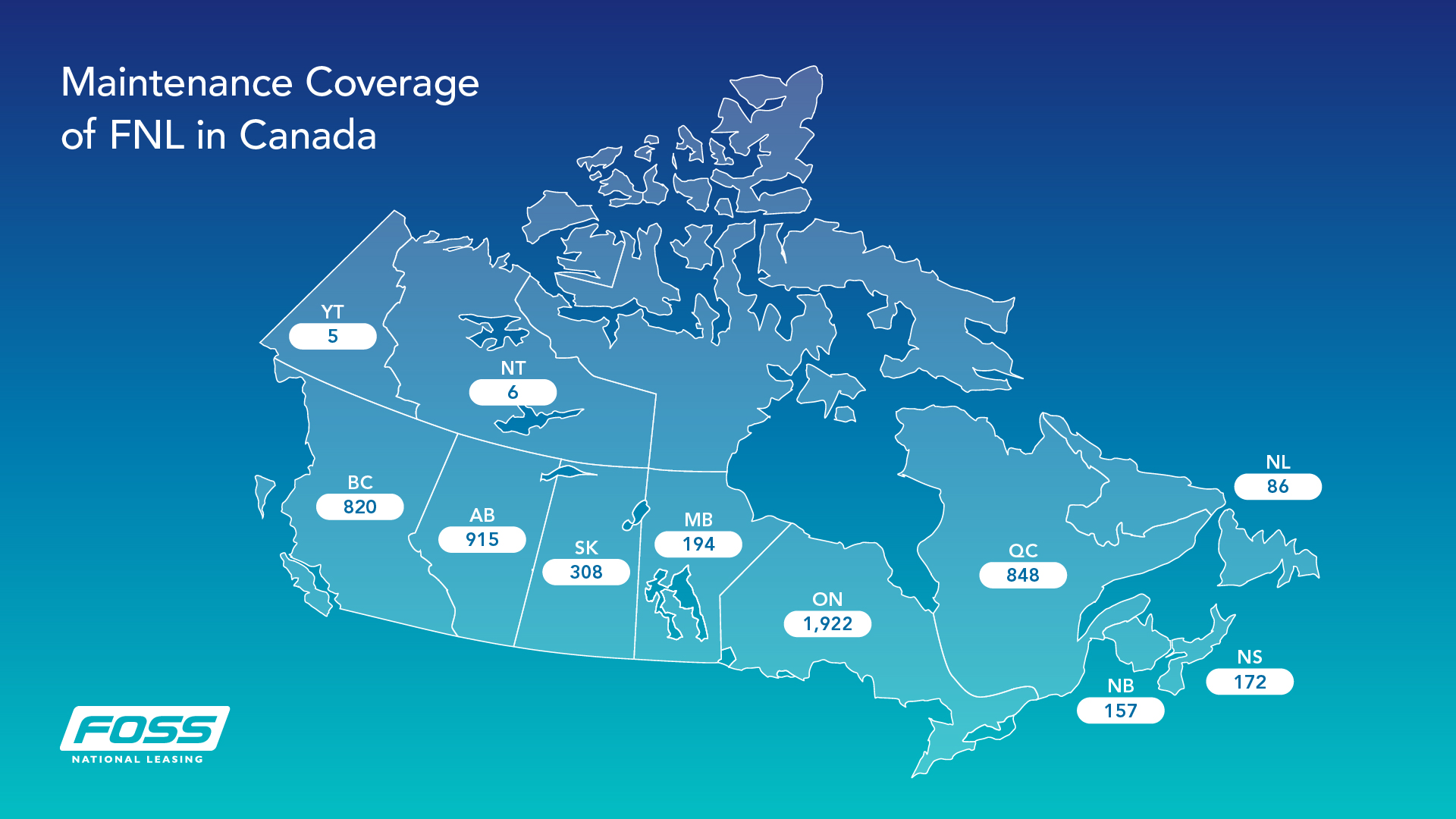
Professional fleet management provides access to nationwide networks of pre-vetted service providers. Whether your driver is in Vancouver or Halifax, quality service is available.
Proactive maintenance schedules prevent small issues from escalating into costly failures, resulting in a 20-30% reduction in maintenance costs. Professional fleet managers also negotiate enterprise-level pricing instead of retail rates, so your vehicles spend less time sitting in the shop and more time generating revenue.
Consolidated reporting shows exactly what's happening across your entire fleet, helping identify problem vehicles, driver behaviour issues, overpriced service providers, and opportunities to optimize replacement cycles.
The result? Vehicles that last longer, cost less to operate, and require minimal attention from your team.
6. The Power of Professional Fleet Management
Beyond leasing, professional fleet management provides strategic advantages that internal teams often can't match.
Fleet management companies leverage relationships across thousands of vehicles to negotiate better rates than individual businesses can access. You benefit from their buying power and industry connections.
Comprehensive fleet cards accepted at most vendors across Canada consolidate all fuel and maintenance into one monthly invoice. This simplifies expense tracking, reduces administrative burden, and provides visibility to control costs.
Safety programs protect your vehicles, drivers, and company through training, monitoring, and accident management support that reduces claims and vehicle damage.
Telematics solutions provide real-time visibility into vehicle locations, utilization rates, driver behaviour, fuel consumption, and maintenance needs—giving you data to make informed decisions.
At Foss National Leasing, we develop customized solutions for businesses managing anywhere from 4 to 4,000 vehicles, tailored to specific industries and operational needs.
7. End-of-Life Advantages
Eventually, every vehicle needs replacing. For owners, this means time-consuming hassles. For leasing clients, it's seamless.
No creating ads, fielding buyer calls, or arranging test drives. No negotiating with dealers who make lowball offers. Professional remarketing moves vehicles quickly instead of leaving them sitting unused for months.
As old vehicles transition out, new ones are ready—no gaps in your operations. The end-of-lease process is designed to be as smooth as the beginning, keeping your vehicles operating at peak efficiency.
Real Success Story: Tidewater Midstream
Tidewater Midstream, a Western Canadian energy company, approached Foss National Leasing with a new fleet and a challenge: how to track costs, implement a replacement strategy, and scale their fleet as the business grew—without diverting focus from their core energy operations.
Through customized open-end leasing and comprehensive fleet management, Tidewater gained complete cost visibility, scalable processes, and professional expertise to optimize its TCO from day one.
Read how Tidewater Midstream built a scalable fleet program →
Making the Right Choice
Understanding your fleet's total cost of ownership is essential for making smart decisions. The appeal of ownership is straightforward—you own the asset. But you analyze your complete TCO—including depreciation, administrative burden, disposal challenges, and tied-up capital—you will often find leasing delivers better financial outcomes and operational efficiency.
Every fleet is different. The key is having accurate data about your current costs and clear analysis of your alternatives.
Ready to Optimize Your Fleet Costs?
Consider these questions:
- How much time does your team spend managing vehicles?
- Do you know your true cost per kilometer?
- When was the last time you analyzed your fleet's TCO?
- Do you have a data-driven vehicle replacement strategy?
- How much does it cost you to dispose of vehicles at end-of-life?
Want to dive deeper into TCO optimization? Download our comprehensive whitepaper that uncovers actionable strategies for meaningful cost reduction and long-term savings.
Download the Free Whitepaper →
Get to Know the Author
Hussain Dhanani is the Regional Director for Western Canada at Foss National Leasing, bringing over 18 years of specialized expertise to the fleet management industry. Since 2006, he has helped businesses optimize vehicle lifecycles and achieve strategic fleet goals, a career-long dedication matched only by his passion for global travel.
Meet our team
.jpeg "22227_FNL_5-Critical-Steps-Prevent-Distracted-Driving_2022 (1)")