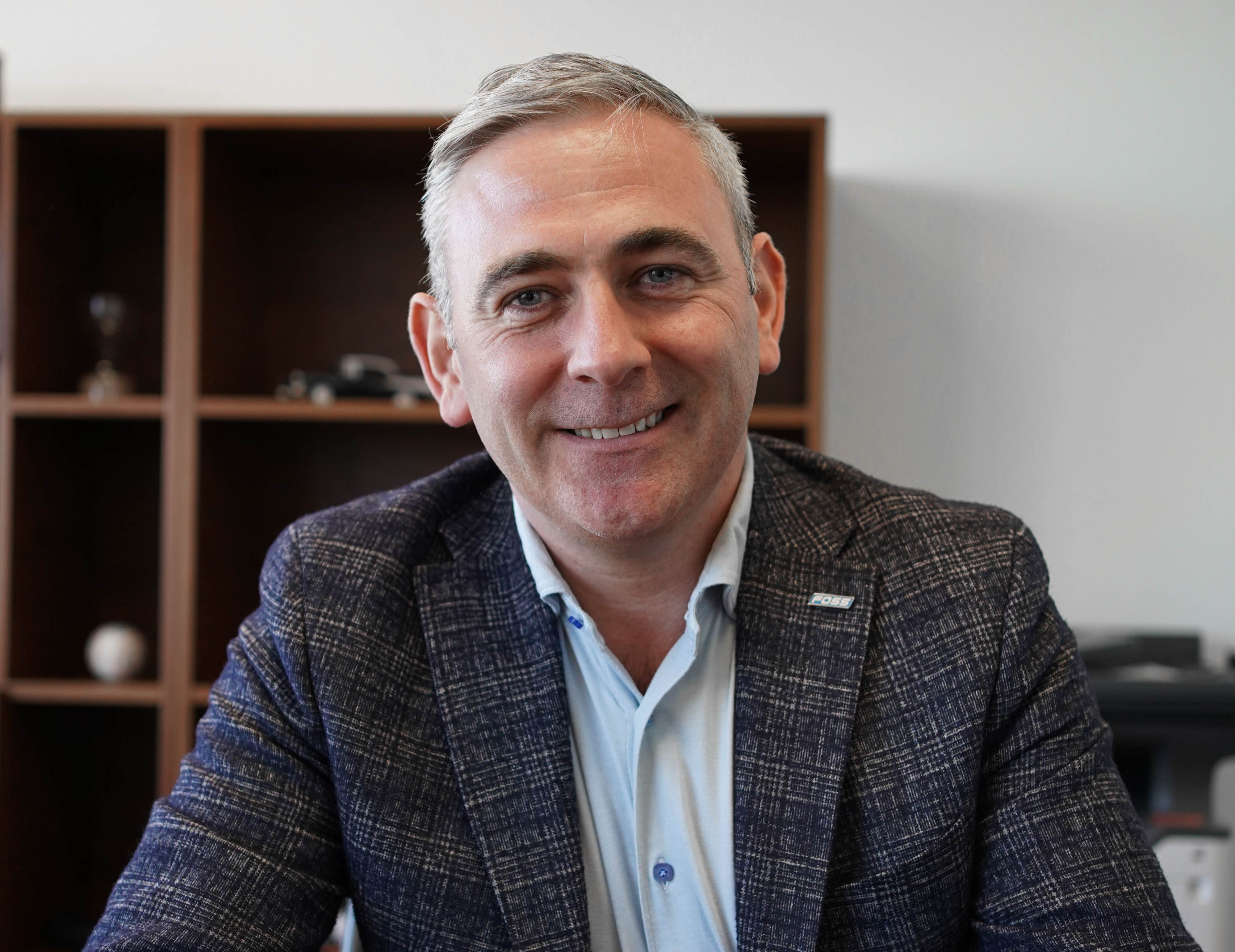
The fleet management industry has spent years chasing "the next big thing." From the hype of total electrification to the promise of "big data," the conversation has often been more about what could happen than what is actually happening on the ground. As we enter 2026, the conversation across fleet management in Canada is shifting in favour of a new, pragmatic focus. We sat down with our President, Basil Marcus, to discuss why this year is about replacing industry speculation with tangible results.
Moving from Reactive to Proactive: The 2026 Shift
Sara: The industry has been talking about the "future of fleet" for years, but 2026 somehow feels like a turning point. What is the single biggest shift you’re seeing in how fleets actually operate today?
Basil: For a long time, everyone talked about data as if just having it was enough. What I’m seeing now is a move from reactive management to proactive decision-making. Fleets don’t want a report after the fact telling them what went wrong; they want visibility in advance to prevent cost spikes, vehicle failures, and compliance issues.
In 2026, fleet management can’t just be an administrative function anymore. It has to be a driver of the business. The winners this year will be the people who provide real-time insights that allow for tighter controls and faster decisions.
Why Most Fleet Management Companies Get Data Wrong
Sara: "Data-driven" is such a buzzword. You mentioned that fleet management needs to be a "driver" of the business, yet many companies are drowning in spreadsheets. Where do most providers get "data-driven" management wrong?
Basil: Done right, data-driven means turning information into decisions, not just a dashboard. Where people get it wrong is "data overload." You get a mountain of information with no prioritization. You get reports without accountability.
At Foss, we believe data only matters if it reduces cost, risk, or downtime. Otherwise, it’s just noise. We are moving away from the hypotheticals and focusing on real, tangible problems: the rising cost of accidents, the high cost of driver downtime, and the soaring price of insurance.
"At FNL, data really only matters if we can use it to reduce costs, risk, or downtime. Otherwise, it’s just a lot of noise."
Scaling the Human Touch: Regional Expansion
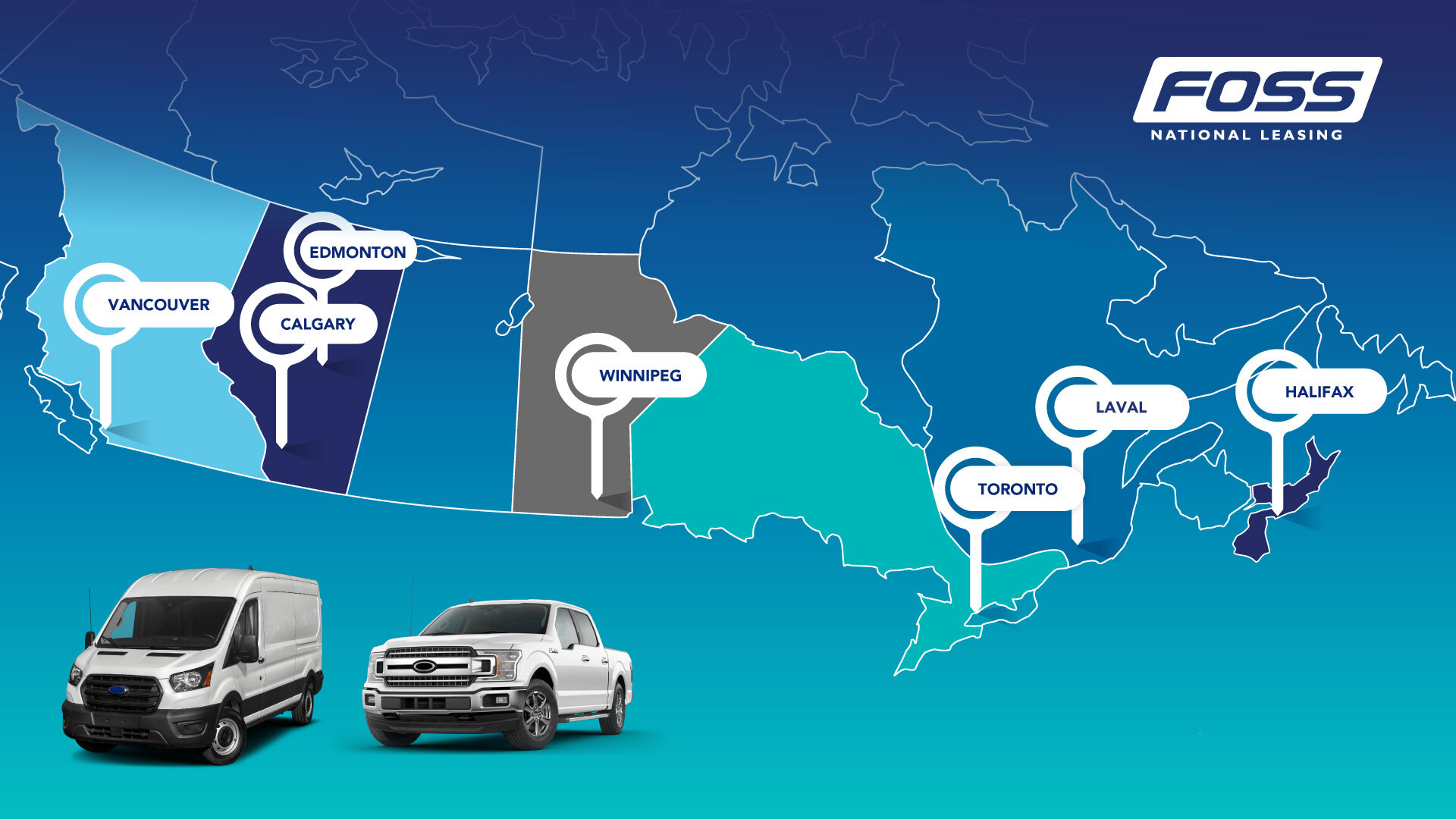
Sara: FNL is expanding significantly this year—doubling the Montreal office, opening in Vancouver, and growing in Toronto and Calgary. Why double down on physical offices in such a digital age?
Basil: Because we believe fleets are local, even when companies are national. You can’t manage a fleet from a distance and expect excellence. In addition to our regional offices, we have experts in Halifax, servicing the East Coast, in Winnipeg, serving the prairies, and in Edmonton, serving the oil patch market. Having people on the ground leads to faster response times, deeper relationships and better market understanding.
Scaling nationally doesn’t mean becoming a "glorified call center." It means having experts who understand the specific geography, climate, and regulations of each province.
The Foss Values: "Sweating the Small Stuff"
Sara: That local expertise seems to tie directly into your internal culture. You often say "happy employees deliver better service," and that FNL's values aren't just "words on a wall." How does that philosophy actually show up for a client?
Basil: We take execution seriously. Strategy means nothing without follow-through. We "sweat the small stuff" because that’s where fleet costs live: in every fuel fill-up, every oil change, and every vehicle build.
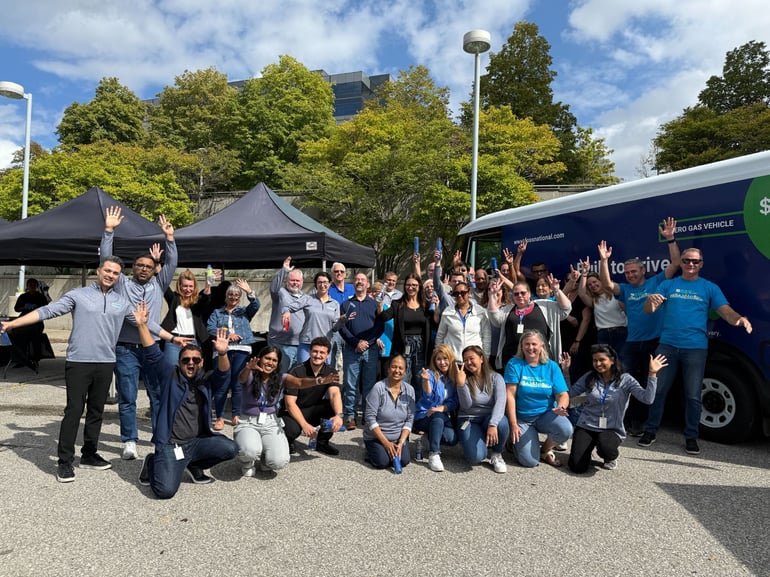
But most importantly, we are a people-first company. We believe that if we serve our employees well, they will serve our customers well. When our employees are engaged and proud of their work, clients get quicker resolutions and fewer hand-offs. You can’t fake service quality. It shows up when people actually care about the fleet they are managing.
How AI Is Changing Fleet Management in 2026
Sara: Speaking of work, there is a lot of talk about machines taking over. You’ve been somewhat quiet on the AI hype. Is that purposeful?
Basil: Yes. It’s on purpose. I look at AI the same way I look at the internet. It’s a powerful tool, but it’s not a replacement for expertise. Fleets are highly specific, and our customers operate in ways a machine can’t fully categorize yet.
However, we are using AI as a "thought partner." It’s already integrated into our fuel management and fraud prevention to find efficiencies we might have missed. It complements our people, it doesn't replace them. It helps us refine that "data noise" into those tangible insights I mentioned earlier.
"Technology matters, but accountability matters more. If you don't have a partner you can trust at the other end of the phone or across the table, then all the data in the world is beside the point."
Proudly Canadian: Choosing the Right Fleet Management Partner in Canada
Sara: Looking at all these shifts, what should a prospect look for today when choosing a partner?
Basil: Look for two things: Transparency and Accountability. Is the provider honest about fees and recommendations? Are they giving you the full financial picture? At the end of the day, you need a person across the table you can trust. Technology matters, but accountability matters more. If you don't have a fleet expert on the other end of the phone, what’s the point of the rest of it?
And honestly, in this market, being "Proudly Canadian" matters. It means our decisions are made here, our accountability lives here, and we invest here. We understand the Canadian business reality because we live it every day.
The Vision for Success
Sara: To wrap things up, if we look back at the end of this year, what does success look like for the FNL team?
Basil: It’s not just about growth, though we expect to grow. Success is measured by cost and risk reduction for our clients. We want to be recognized as the most trusted fleet partner in Canada and have a highly engaged team of experts. For us, excellence is non-negotiable.
Key Takeaways: Navigating 2026 with FNL
If you’re evaluating your fleet strategy for the year ahead, here are the four pillars of the Foss National approach:
- Proactivity over Reporting: Success in 2026 isn't about knowing what happened last month; it’s about having the real-time visibility to prevent cost spikes and downtime before they occur.
- Actionable Data: Don't let your team drown in spreadsheets. Focus on the data that directly impacts your bottom line—fuel efficiency, maintenance uptime, and insurance risk.
- The "Local" Advantage: In a national market, geography still matters. FNL’s regional expansion ensures that whether you’re in the Edmonton oil patch or downtown Montreal, you have a partner who understands your local climate and regulations.
- Human-Centric Tech: Use AI as a "thought partner," not a replacement. The most effective fleet management combines enterprise-grade innovation with an expert who takes personal accountability for your results.
Ready to turn your fleet data into a strategic advantage? Contact a Foss National expert in your region today.
Get to Know the Author
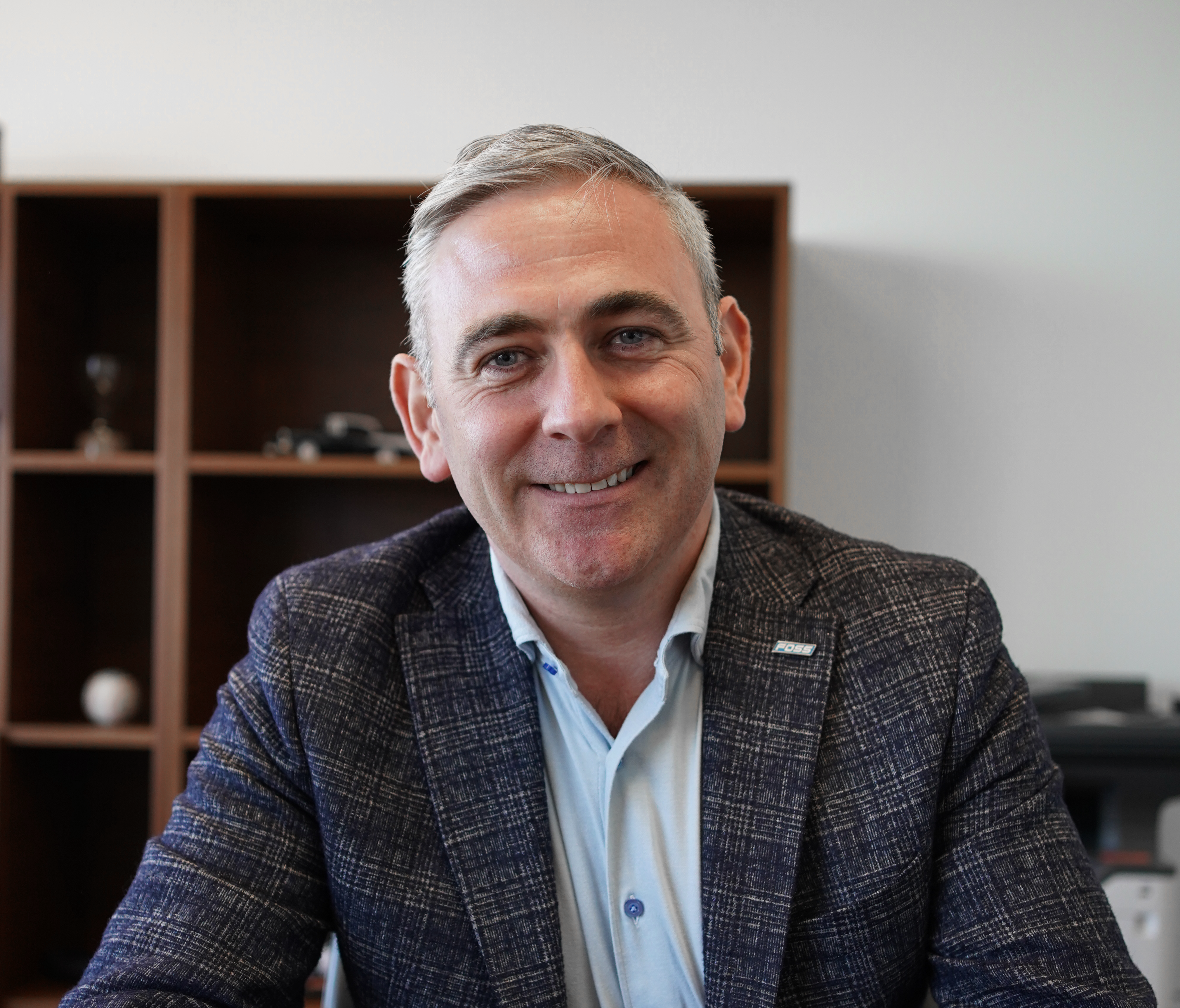
Basil Marcus is the president of Foss National Leasing and LeasePlan Canada. With a lifelong passion for automotive, he journeyed from business development to leading one of Canada's top fleet management companies.
Meet our team