Managing a fleet across Canada requires more than a national footprint, it demands local expertise in regional regulations, climate, and service networks.
We sat down with Tim Stephens, Foss' new Alberta Branch Manager, to talk about what regional fleet expertise actually looks like in practice, why boots-on-ground knowledge still can't be replaced by data or AI, and what he's building at the Foss Calgary office.
Fleets Are Local, Even When Companies Are National
Tim has spent over 30 years in Canadian fleet management. His perspective cuts to something the industry doesn't talk about enough.
"Vehicles are critical revenue-generating assets for any business, whether that's getting a crew to a site, delivering product to a buyer, or even when a vehicle is part of a compensation package. But they're also inextricably linked to human emotions. If you don't nail the specs and fleet program parameters, your drivers will hate the journey, even if things make perfect sense on paper. If drivers hate the journey, your fleet expenses and operational efficiencies will suffer, and it’s a hidden cost that adds up to big money."
That tension between operational logic and human reality is at the heart of what Tim does. It starts with a simple truth: Canada isn't a cookie-cutter country.
What Happens When Fleet Programs Ignore Regional Differences
Back around 2005 to 2010, Tim watched a wave of global fleet RFPs chase the same goal: consolidate volume with one OEM, one fleet management company, sometimes even the same vehicle specs across every market.
It's the same as saying you'll only wear one pair of shoes to the office, the gym, the beach, and in the snow. Sure, you'd save money on shoes. But pretty much anyone can tell you that's a bad idea. Yet that logic gets applied to fleet programs all the time.
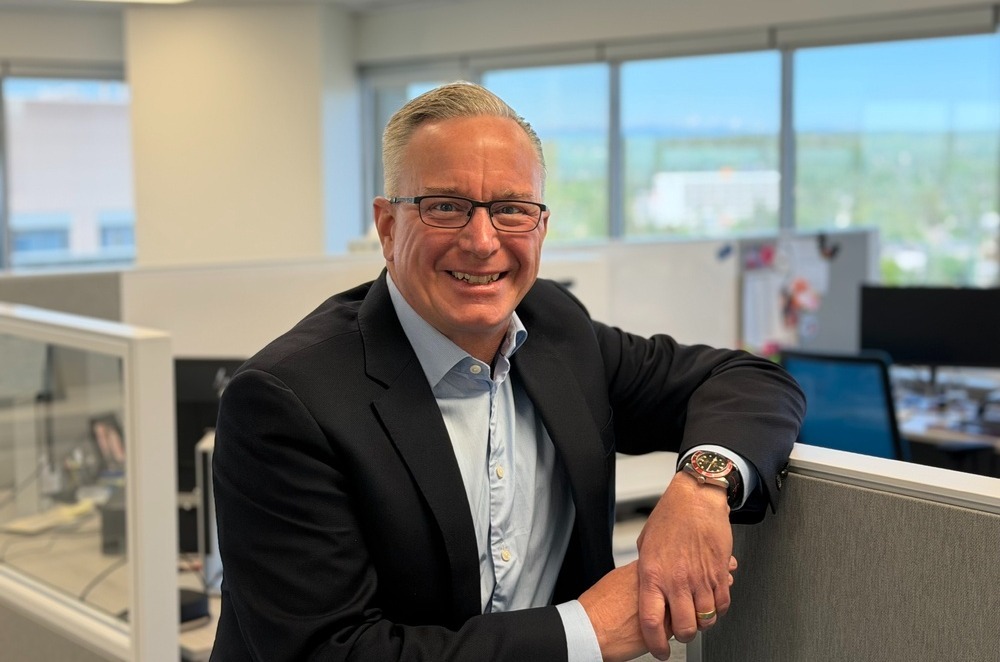
Tim Stephens, Alberta branch manager at Foss National Leasing
The consequences are real. A fuel card program built for an urban centre like Montreal or Vancouver will fail in northern, rural, or industrial regions if it doesn't accommodate commercial cardlocks or yard pumps. That oversight translates directly to driver downtime and lost revenue.
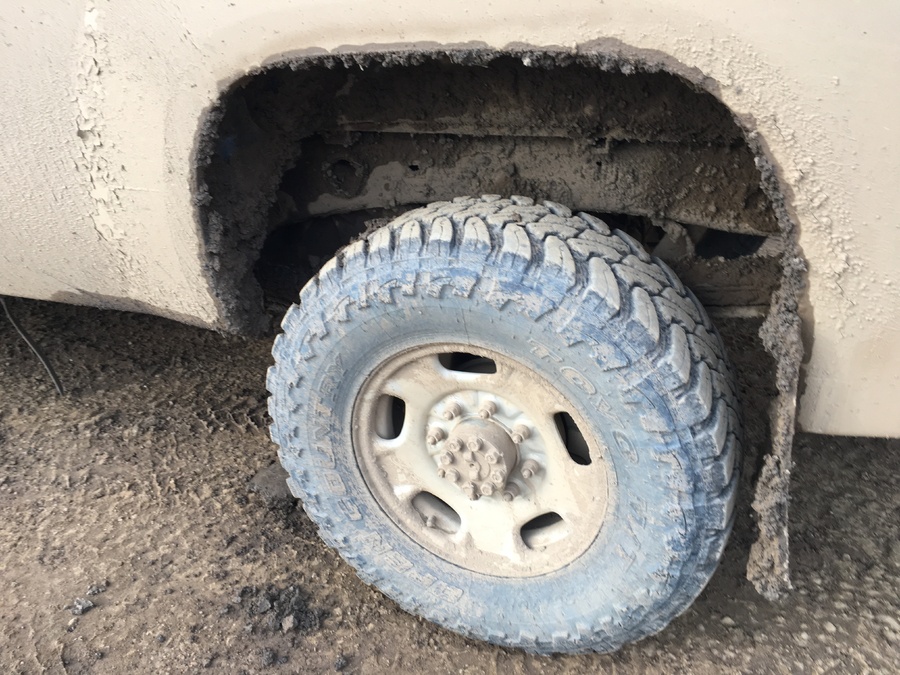
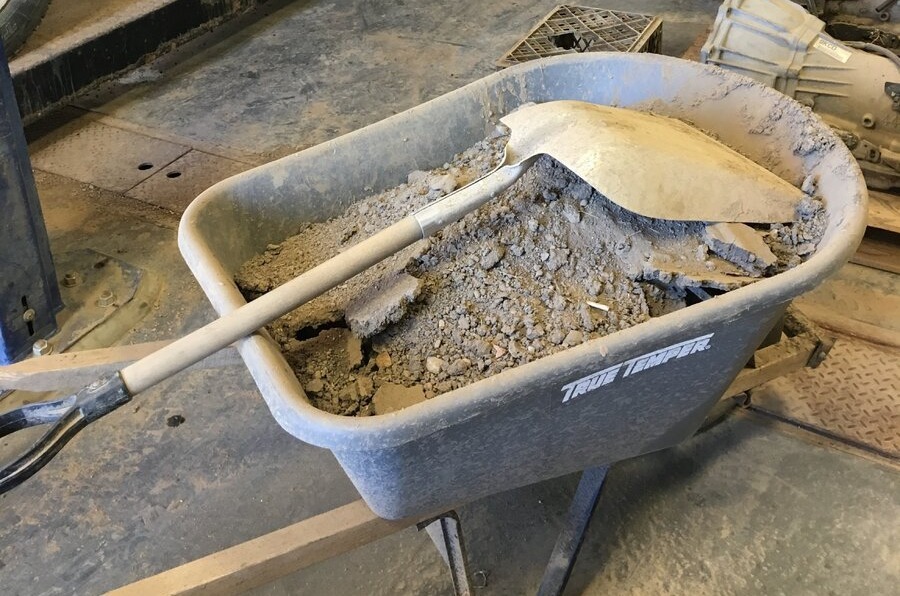
Maintenance programs fail the same way. A truck operating in parts of Alberta can return with 200 pounds of rock-hard mud caked on the underside. Before a mechanic can perform basic maintenance, they spend two to three hours with an air chisel and a steamer. That's not unusual - it's just regular business. Drivetrain selection, upfitting, and tire specifications all need to adapt to elevation, mud, sand, and climate, sometimes within the same province. "Deep regional knowledge backed by program flexibility is what everyone knows matters," Tim says. "But discussions over pricing and technology often drown that out, and the fleet manager has to deal with the fallout."
What You Only Learn through a Site Visit
Tim uses a specific example when people ask what regional fleet expertise actually means in practice.
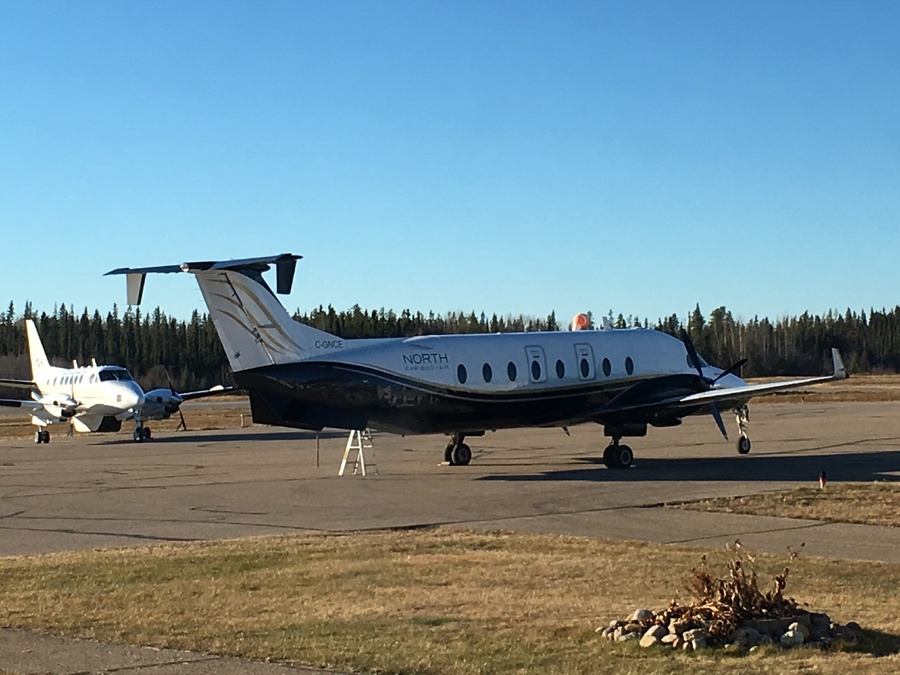
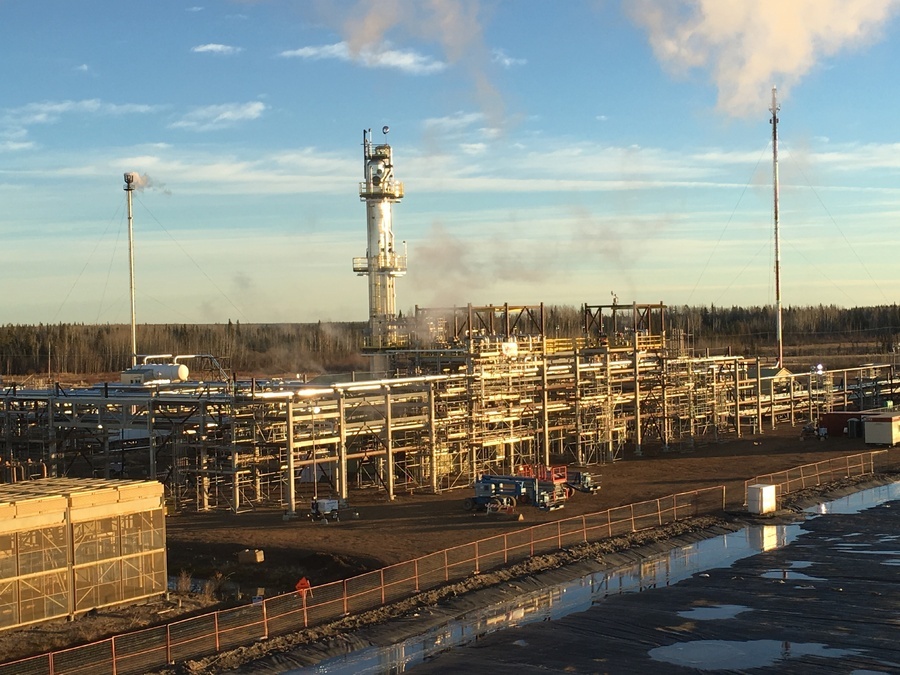
He visited a Liquefied Natural Gas (LNG) plant in the far north of Alberta. To get there, you don't go through the civilian terminal at Calgary International Airport. You go to a hangar, board a six-seat plane, and fly two hours north to a town of maybe 400 people. The in-flight refreshments were a basket of assorted chocolate bars.
At a plant like that, vehicle timing is mission-critical.
"If you don't have a truck on site at precisely the right moment to load the LNG, you have an extremely short window to get another vehicle pulled up and loaded before you have a very expensive problem."
After a visit like that, fleet management stops being theoretical. The LNG facility and the area surrounding it are buzzing with light-duty trucks. While not as time sensitive as transporting LNG, their job functions remain interconnected to the operation's overall operation, and failure is not an option. Do these vehicles have the right fuel range to get there? The right tires for those roads? What happens if it breaks down 40 km from the nearest cell signal at minus 40? These become life-safety questions, not operational footnotes.
That's why Tim's mandate for the Calgary office includes field site visits for every team: account managers, sales staff, client service reps, and maintenance technicians.
I've yet to see a moment when somebody doesn't come away with a deeper understanding of what really matters. That's really powerful stuff.
Tim Stephens, Alberta branch manager at Foss National Leasing
What No Dashboard Can Tell You
Tim's team heavily relies on data. AI and analytics can cut through enormous amounts of information, spot trends faster than any individual, and accelerate decisions that used to require 40 years of experience to make confidently.
But there's still a limit today.
"Just having a data-driven decision is not enough on its own. You need people who can look at what the AI is pointing to and ask: Does this actually make sense given what's happening on the ground?"
Company culture, driver behaviour, specialized upfitting, and regional conditions — these are the factors that determine whether a fleet recommendation works or fails in the real world. "Using AI and Big Data alone isn't enough," Tim says.
You get deeper insights by spending three hours on a ride-along because you leverage that human connection.
Tim Stephens, Alberta branch manager at Foss National Leasing
At Foss, we have many industry veterans with over 30 years of hands-on experience in Canadian regional fleets. When you combine that on-the-ground knowledge with solid data, you get next-level process efficiencies, lower downtime and elusive cost savings.
What We're Building in Calgary
Tim's mission and role further differentiate Foss as the leading choice for regionally appropriate, Alberta fleet solutions. "Foss' Markham and Laval offices support local fleets with their own regional challenges. As a 60-year-old, 100% Canadian owned FMC, it's incumbent on us to create truly Canadian-made fleet solutions that maximize operational efficiency and create value in every region and every industry."
His vision for the office is direct: "Be a business strategist who knows as much or more about our clients' business than they do. Be a partner who is boots on the ground, to actually see the real-world challenges, and to alert you to risks you didn't know you had."
Fleets are local, even when companies are national. That's what the Calgary office is here to prove.
Get to Know the Author
Tim Stephens is the Alberta Branch Manager at Foss National Leasing, leading the Calgary office. With a 30-year career spanning Canadian fleet management from Toronto to Calgary, Tim’s deep hands-on experience covers the entire fleet lifecycle—including vehicle remarketing, advanced fleet analytics, business development, and specialized commercial vehicle upfitting. Having spent decades navigating both corporate boardroom strategy and rugged, remote job sites, he bridges the gap between data-driven fleet parameters and the harsh realities of local operational conditions.
Meet our team