

Selon l’analyse des coûts de parc de Foss National Leasing, le carburant et l’entretien représentent environ le tiers des coûts totaux d’exploitation d’un parc : 26 % pour le carburant et 10 % pour l’entretien. Les deux autres tiers, amortissement, assurances, intérêts, taxes et immatriculation, sont des coûts largement fixes. Ce tiers représente donc la seule portion de votre budget de parc qui réagit directement aux décisions de gestion. C’est là que se trouve la véritable marge de manœuvre.
Le gaspillage de carburant paraît rarement spectaculaire sur le moment. Quelques heures de ralenti supplémentaires par jour, des pneus légèrement sous-gonflés, des conducteurs qui accélèrent brusquement à chaque arrêt : individuellement, rien de tout cela ne semble majeur… jusqu’à ce qu’on additionne l’ensemble à l’échelle d’un parc sur une année complète.
Et l’inverse est tout aussi vrai. De petites améliorations constantes dans cinq domaines précis peuvent générer des économies réelles et mesurables. Voici où concentrer vos efforts.
1. Le comportement des conducteurs influence davantage les dépenses en carburant que la plupart des gestionnaires le pensent
La façon dont vos conducteurs utilisent un véhicule a un impact direct et mesurable sur la consommation de carburant. Les accélérations brusques, les freinages abrupts, le ralenti inutile, les excès de vitesse et les virages agressifs augmentent tous la consommation. Selon Ressources naturelles Canada, ces comportements peuvent faire grimper la consommation de carburant jusqu’à 25 %.
Pour un parc de 20 véhicules, une réduction de 25 % du gaspillage lié au comportement des conducteurs représente des économies budgétaires importantes. Cela ne nécessite ni nouveaux véhicules ni nouvelles infrastructures. Il faut surtout de meilleures données et un plan d’action clair.
L’approche la plus efficace combine suivi et accompagnement. Les systèmes télématiques fournissent des données en temps réel sur la façon dont les conducteurs se comportent réellement sur la route, plutôt que sur des suppositions. Les discussions deviennent alors factuelles et difficiles à contourner.
Le suivi devrait aussi être accompagné d’un programme de formation structuré. De courts modules ciblant des comportements précis, comme la distraction au volant, les excès de vitesse ou les freinages brusques, donnent généralement de meilleurs résultats que des formations ponctuelles. Les rapports sommaires sur les conducteurs permettent également de repérer les problèmes récurrents avant qu’ils ne deviennent des habitudes.
De meilleures habitudes de conduite réduisent les coûts de carburant, diminuent le nombre d’accidents et contribuent à réduire les primes d’assurance. Les gains vont bien au-delà du carburant.
2. Une carte de carburant de parc permet de réduire le gaspillage et de mieux contrôler les coûts
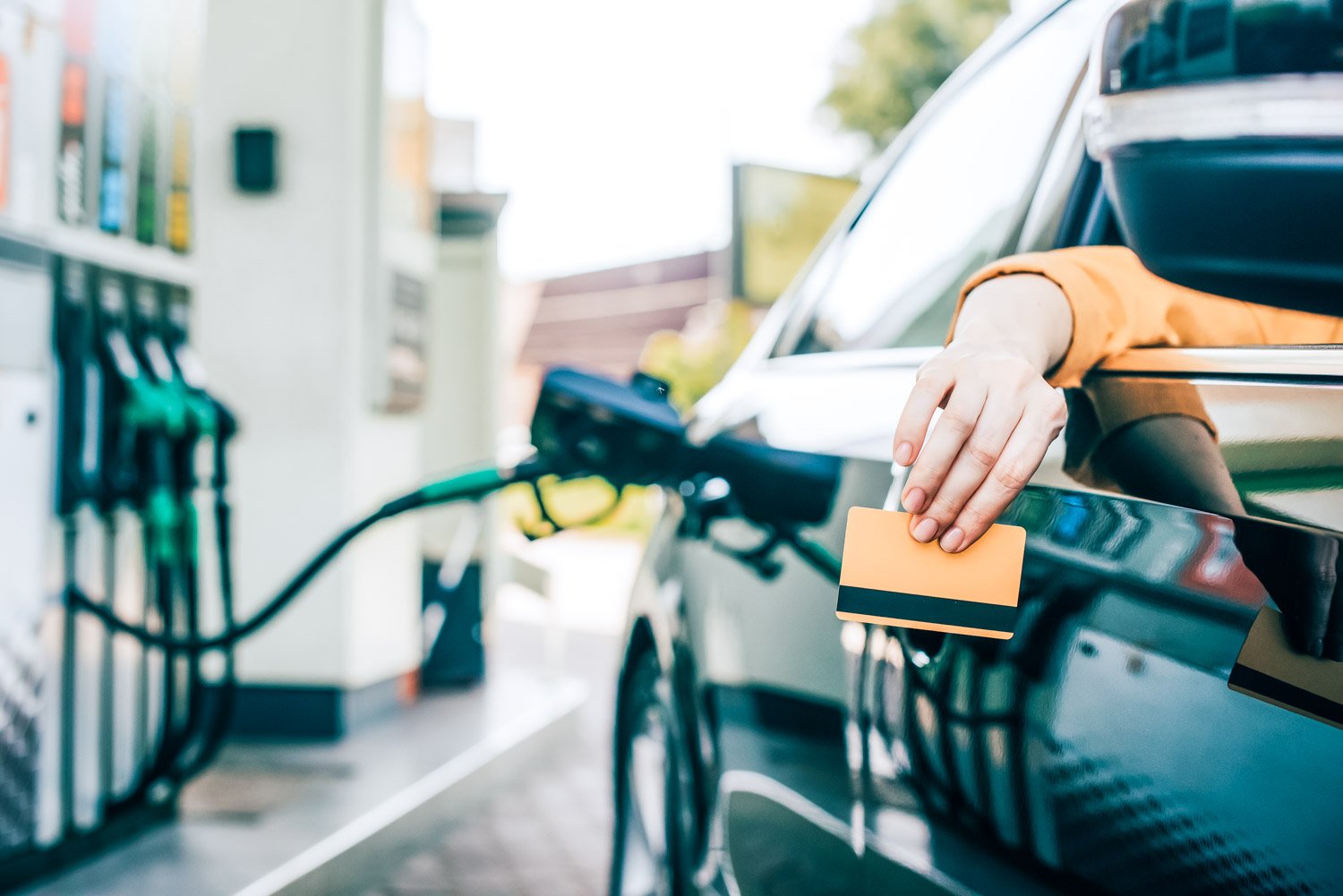
Si vos conducteurs paient leur carburant avec des cartes de crédit personnelles ou des cartes mono-enseigne, vous perdez à la fois en flexibilité de prix et en visibilité sur les dépenses. Un programme de carte de carburant de parc permet de corriger ces deux enjeux.
La flexibilité des prix est plus importante qu’elle n’y paraît. Lorsqu’un conducteur est limité au réseau d’un seul fournisseur, il peut parfois faire plusieurs minutes de détour pour atteindre une station agréée. Sur un parc de 30 véhicules, ces détours représentent environ 19 950 $ par année en perte de productivité, selon les analyses de coûts de Foss National Leasing. L’accès à 98 % des stations-service au Canada élimine ce problème.
Les contrôles de dépenses constituent l’autre volet essentiel. Les limites de transaction par conducteur, par véhicule ou par type d’achat permettent d’éviter les dérives avant même qu’elles ne se produisent. Sans contrôle, les achats non autorisés peuvent représenter jusqu’à 15 % des dépenses totales en carburant d’un parc. Les détecter tôt est le moyen le plus rapide de récupérer du budget sans modifier le fonctionnement quotidien du parc.
À quoi peuvent ressembler les économies ? (estimations indicatives) Sur la base du modèle de coûts de Foss National Leasing, en utilisant un prix moyen du carburant au Canada d’environ 1,45 $/litre et une consommation moyenne de 372 litres par véhicule par mois, les économies estimées sont les suivantes :
- Parc de 10 véhicules : environ 11 508 $ par année
- Parc de 20 véhicules : environ 23 016 $ par année
- Parc de 50 véhicules : environ 57 540 $ par année
Ces montants combinent la prévention de la fraude sur le carburant (jusqu’à 15 % des dépenses) et les économies liées au contrôle des appels de maintenance basés sur le kilométrage, estimées à 60 $ par intervention.
Les économies réelles varient selon la taille du parc, le type de carburant, la province et les habitudes de conduite.

3. Comment l’entretien préventif améliore l’efficacité énergétique d’un parc
Un parc bien entretenu consomme moins de carburant. Les écarts sont souvent discrets, mais ils finissent par s’accumuler.
La pression des pneus est l’un des facteurs les plus souvent négligés. Selon Consumer Reports, une baisse de 1 PSI sur l’ensemble des quatre pneus réduit l’efficacité énergétique d’environ 0,3 %. Or, les pneus perdent naturellement entre un et deux PSI par mois. Sans calendrier d’entretien, cette perte s’accumule graduellement sans qu’on s’en aperçoive.
Si votre parc évolue dans un climat avec de véritables hivers, ce qui est le cas de la majorité des parcs au Canada, assurez-vous que les conducteurs remettent leurs pneus toutes saisons ou d’été dès que les conditions le permettent. Les pneus d’hiver créent davantage de résistance au roulement et augmentent la consommation lorsque les routes sont sèches et dégagées.
Pour les véhicules qui parcourent un kilométrage annuel élevé, les pneus à faible résistance au roulement valent également la peine d’être évalués. Ils permettent de réduire la consommation de carburant sans compromis important sur la sécurité ou les performances.
Un entretien préventif régulier, incluant les vérifications des fluides, le remplacement des filtres à air et l’entretien du système d’alimentation, aide les moteurs à fonctionner de manière optimale. Reporter l’entretien ne génère pas seulement des coûts de réparation, mais aussi une diminution progressive de l’efficacité énergétique que plusieurs parcs absorbent sans réellement la mesurer.
Les programmes d’entretien géré, où un technicien analyse les demandes de réparation en fonction de l’historique du véhicule avant d’autoriser les travaux, permettent aussi d’éviter des dépenses inutiles. Ce type de supervision génère généralement des économies d’environ 60 $ par intervention d’entretien.

4. Comment la planification des trajets réduit la consommation de carburant d’un parc
Vos conducteurs ne peuvent pas toujours éviter la circulation, mais avec les bons outils, ils peuvent passer beaucoup moins de temps immobilisés dedans.
La planification des trajets par GPS, que ce soit via un système télématique ou une application de navigation, permet d’éviter en temps réel la congestion, les travaux routiers et les incidents. Un véhicule au ralenti consomme du carburant sans parcourir le moindre kilomètre. Réduire ce temps a donc un impact direct et immédiat sur les dépenses en carburant.
Les données télématiques offrent aussi une vue d’ensemble du temps passé au ralenti à l’échelle du parc. Les conducteurs qui laissent tourner leur véhicule plus longtemps que nécessaire pour le réchauffer, ou qui attendent sur un chantier moteur en marche, consomment du carburant sans réelle utilité opérationnelle. Une fois ces tendances clairement identifiées, elles peuvent être corrigées par des politiques internes et du coaching.
Pour les parcs ayant des itinéraires planifiés et des territoires de service définis, les outils d’optimisation des trajets permettent également de réduire la distance totale parcourue chaque jour. Les économies de carburant augmentent directement en fonction de la réduction du kilométrage.
5. Quand les véhicules électriques deviennent pertinents pour les parcs au Canada
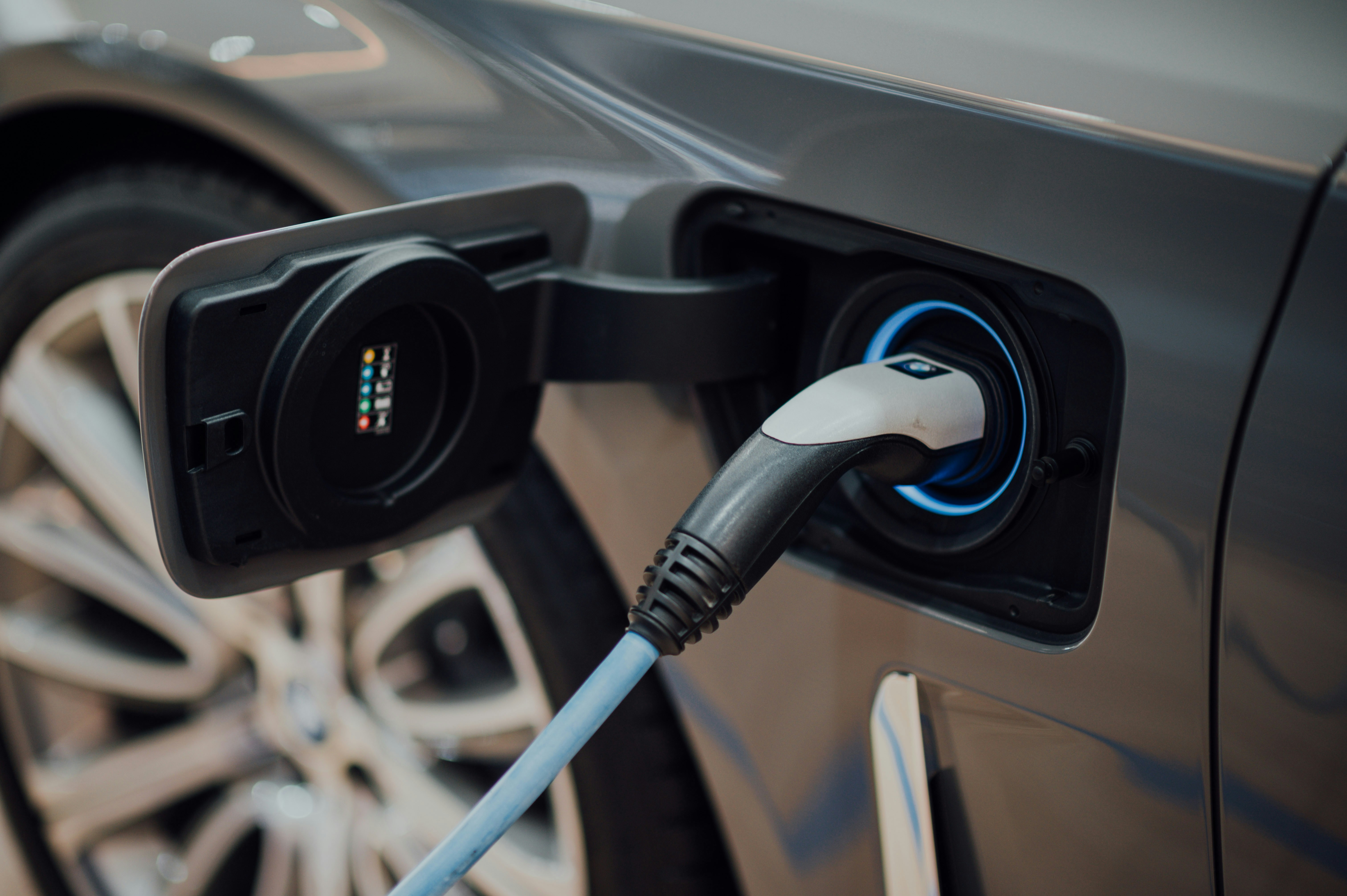
L’argument économique en faveur des véhicules électriques dans les parcs s’est considérablement renforcé au cours des dernières années. Certains modèles hybrides rechargeables peuvent maintenant parcourir près de 100 km avant d’utiliser le moteur à essence. Pour des usages urbains et suburbains, cela signifie que plusieurs conducteurs utilisent très peu de carburant au cours d’une journée normale de travail. Certains véhicules entièrement électriques à longue autonomie dépassent désormais les 800 km sur une seule recharge.
Cela dit, tous les parcs ne sont pas prêts à passer entièrement à l’électrique. Les réalités opérationnelles varient énormément selon les types de parcs et les régions du Canada, qu’il s’agisse des infrastructures de recharge, du climat, des besoins de chargement ou de l’autonomie quotidienne requise. La rentabilité dépend aussi largement des programmes gouvernementaux offerts, puisque les aides fédérales et provinciales peuvent réduire de façon importante les coûts initiaux.
Pour la plupart des organisations, la meilleure approche consiste à intégrer progressivement quelques véhicules électriques ou hybrides rechargeables au parc existant afin de recueillir des données concrètes sur le terrain. Cela permet d’identifier quels usages et quels types de véhicules se prêtent réellement bien à l’électrique avant d’entreprendre une transition à plus grande échelle.
Tout mettre ensemble
Chacun de ces cinq leviers génère des économies bien réelles. Le coaching des conducteurs réduit le gaspillage de carburant. Les cartes de carburant éliminent les dépenses non autorisées et simplifient la consolidation des données. L’entretien préventif permet aux véhicules de fonctionner à leur rendement optimal. La planification des trajets réduit le temps de ralenti et les kilomètres inutiles. Une transition progressive vers des véhicules à faibles émissions permet de diminuer la consommation de base d’année en année.
Les gestionnaires de parc avec lesquels nous travaillons et qui obtiennent les plus fortes réductions ne sont pas toujours ceux qui utilisent les outils les plus sophistiqués. Ce sont ceux qui appliquent une stratégie cohérente sur l’ensemble de ces cinq leviers et qui continuent de mesurer les résultats.
Comment Foss National peut vous aider
Foss National Leasing accompagne les gestionnaires de parc canadiens dans chacun de ces cinq domaines. Notre programme de cartes de carburant couvre le contrôle des dépenses, la détection de fraude et la facturation consolidée. Nos programmes de sécurité des conducteurs comprennent la télématique, les rapports de dossier de conduite et la formation RiskCOACH. Notre équipe d’entretien des véhicules gère les autorisations et la coordination avec les fournisseurs à travers un réseau de plus de 20 000 centres de service partout au pays. Enfin, notre programme ZEV accompagne les parcs à chaque étape de leur transition vers des véhicules à plus faibles émissions.
Si vous souhaitez identifier les meilleures occasions de réduire les coûts de carburant de votre parc, nous serons heureux d’en discuter avec vous.
Faire connaissance avec l'auteur
Dominic Riolo est responsable des relations avec les fournisseurs et du centre d'appels dédié à la maintenance des véhicules chez Foss National Leasing. Mécanicien diplômé comptant plus de 17 ans d'expérience dans le secteur des flottes, Dominic a débuté au sein du service de revente de Foss avant de gravir les échelons de l'entreprise jusqu'à son poste actuel à la tête du centre d'appels VMT, où il encadre et forme les techniciens chargés de vérifier quotidiennement les autorisations de maintenance pour les exploitants de flottes canadiens. Les données relatives aux coûts des flottes et les chiffres de maintenance mentionnés dans cet article s'appuient directement sur cette expérience opérationnelle.
Découvrez l'équipe